The Development of Sliding Doors: From Timeless to Current Styles
The progression of sliding doors highlights a remarkable change in functionality and design across the centuries. From elaborate wooden structures in ancient castles to contemporary, elegant glass panels, these entrances have responded to shifting styles and innovations. This journey reflects broader architectural trends and innovations in materials. Understanding this progression can illuminate choices for contemporary spaces and improve residential experiences, inspiring a thoughtful examination of how these components can reshape the meaning of home.
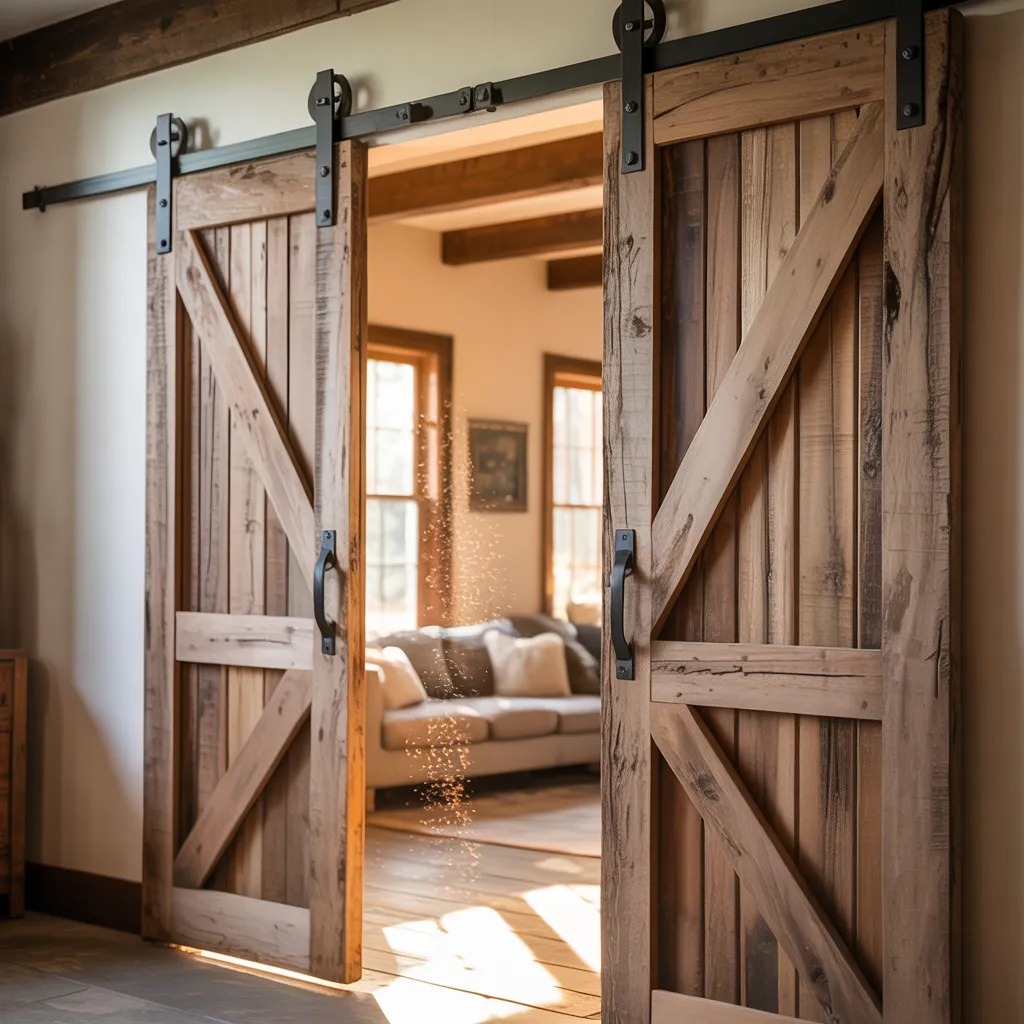
Contemporary Advancements in Sliding Door Technology
Sliding door technology has seen considerable evolution, improving both performance and visual appeal. Contemporary developments prioritize enhancing user experience via cutting-edge materials and design. Premium-grade glass, for example, provides superior insulation and UV resistance, promoting energy savings while allowing maximum natural light penetration. Furthermore, the incorporation of smart technology enables automated operation, commonly operated through smartphone interfaces, significantly improving ease of use.
In addition, today's sliding doors utilize clean, streamlined frames that suit diverse architectural styles, making them versatile for residential as well as commercial environments. Enhanced tracks and roller systems deliver smoother operation, reducing gradual wear and damage. Customization options, including a wide selection of finishes and colors, allow homeowners to tailor doors to their personal tastes.
These innovations not only elevate the visual attractiveness of areas but also guarantee longevity and performance, reflecting a shift towards modern living that values both aesthetics and functionality in the design of sliding doors.
The Evolution and History of Sliding Doors
Although often associated with modern architecture, the history of sliding doors dates back thousands of years. Early societies, such as the Chinese and Japanese, built sliding doors known as “shoji” and “fusuma” panels, making use of lightweight materials like bamboo, rice paper, and wood. Such designs enabled flexible room configurations and smooth indoor-outdoor transitions.
During the Roman Empire, sliding mechanisms were further developed, chiefly to serve convenience in densely used public areas. The use of doors that slide open in place of swinging, gained practicality in densely populated areas.
During the Middle Ages, sliding doors resurfaced in European building design, often serving as aesthetic additions in castles and grand homes. By the 19th century, the Industrial Revolution enabled the widespread manufacturing of sliding doors, leading to their incorporation in residential and commercial structures. This fascinating progression demonstrates the lasting popularity and practical benefits of sliding doors across diverse cultures and historical periods.
Comparing Materials for Sliding Doors: Past vs. Present
With the evolution of architectural styles, so too did the materials chosen for sliding doors, mirroring developments in technology and aesthetic preferences. Historically, sliding doors were primarily crafted from wood, taking advantage of its natural appeal and abundance. Nevertheless, wood's tendency to warp and weather over time led to a pursuit of more resilient alternatives.
Within current design approaches, materials like aluminum, fiberglass, and composite materials have risen in prominence. Aluminum provides a clean, contemporary look while offering outstanding durability and corrosion resistance. Fiberglass, on the other hand, combines energy efficiency with the look of wood, demanding minimal upkeep and offering enhanced weather resistance. Moreover, glass has emerged as a prominent choice, allowing for seamless indoor-outdoor shifts and enhancing the flow of natural light.
This evolution in materials reflects a move toward practicality and sustainability, empowering homeowners to explore solutions that balance visual appeal with practical requirements.
Choosing Classic Sliding Door Styles for Your Home
Classic sliding door styles offer a timeless appeal, seamlessly integrating with diverse interior styles. Commonly constructed from timber, these doors radiate charm and sophistication, making them a perfect fit for a variety of interior styles from rustic to modern. Well-known styles feature the classic barn door design, which evokes rustic charm, and the pocket door, ideal for maximizing space while maintaining a classic aesthetic.
Choosing glass panels can improve natural lighting and create an open atmosphere, making them perfect for connecting indoor and outdoor spaces. In addition, decorative hardware, such as classic handles and copyrights, can enrich the classic design, lending a one-of-a-kind personality to the home.
When choosing classic sliding doors, residents should evaluate architectural elements and color schemes to maintain harmony throughout their living spaces. Through selecting traditional styles, one can achieve a harmonious and appealing space that honors both utility and design excellence.
How to Select the Right Sliding Door for Your Space
Selecting the perfect sliding door demands careful evaluation of both materials and aesthetics. Longevity is essential, as the selected material should handle daily use while complementing the overall design. Matching the sliding door's style with present design elements produces a cohesive look that elevates the area.
Material Selection For Enhanced Durability
Durability is a critical factor when selecting sliding doors, as choosing the correct material can heavily affect performance and lifespan. Frequently used materials consist of aluminum, wood, vinyl, and fiberglass, all of which offer their own notable benefits. Wood provides aesthetic appeal though it may need routine care to prevent distortion. Fiberglass is known for its strength and resistance to weathering, making it ideal for various climates. Aluminum provides a contemporary appearance and remains lightweight, though it may conduct heat and cold. Vinyl is low-maintenance and energy-efficient, making it a preferred option for home installations. In the process of selecting a sliding door, consider environmental exposure and usage frequency to guarantee the chosen material meets durability needs while complementing functional requirements.
Style Matching With Décor
Choosing the right sliding door can greatly enhance the overall aesthetic of a room. To accomplish style cohesion, one must take into account the present learn the facts décor and architecture. For contemporary settings, streamlined, understated designs with materials like glass or metal pair well with contemporary furnishings. In contrast, conventional spaces benefit from wooden doors displaying intricate details or timeless finishes. Color also plays a vital role; doors should either harmonize or stand out boldly with adjacent walls, furniture, and decorative elements. For eclectic interiors, bold patterns or unique textures can act as focal points. Ultimately, the selected sliding door should not only function well but also resonate with the general style of the room, creating a cohesive and inviting atmosphere.
The Way Modern Sliding Doors Elevate Indoor-Outdoor Living
Modern sliding doors greatly enhance the indoor-outdoor lifestyle by seamlessly merging indoor areas with the surrounding environment. These large-scale glass installations deliver open, unrestricted sightlines, enabling natural light to pour into interior spaces while establishing a visual link to exterior surroundings. In contemporary designs, slim frames maximize glass surfaces, creating a sense of greater space and openness.
Usability is another critical factor; many sliding doors operate smoothly, enabling effortless transitions between interior and exterior spaces. This quality supports a more versatile daily routine, facilitating entertaining and everyday activities in a unified space. Additionally, modern materials offer improved insulation and security, guaranteeing warmth and protection without sacrificing visual appeal.
Landscaping and outdoor furniture can be harmoniously integrated, establishing a harmonious setting that encourages rest and meaningful gatherings. In the end, contemporary sliding doors not only enhance the visual charm of a residence but also encourage a way of life that celebrates the outdoors and fresh-air experiences.

Frequently Asked Questions
What Are the Average Costs of Installing Sliding Doors?
The average costs of installing sliding doors typically range from $1,000 to $2,500, based on materials, dimensions, and installation requirements. Homeowners should consider additional expenses such as hardware and potential structural modifications.
How Should I Maintain Sliding Doors Over Time?
Routine upkeep of sliding doors involves cleaning tracks, greasing rollers, examining seals for deterioration, and correcting alignment issues. Ensuring optimal performance requires routine evaluations to prevent dirt buildup and ensure smooth operation over time.
Are Sliding Doors Energy-Efficient Options?
Sliding doors can be energy-saving, especially when equipped with double or triple-pane glass. Proper installation and weather stripping enhance their performance, minimizing heat loss and making them an ideal option for energy-aware homeowners.
Is It Possible to Customize Sliding Doors for Unique Spaces?
Sliding doors are certainly able to be tailored to suit distinctive spaces. A wide range of materials, sizes, and designs enable customized solutions, ensuring they meet both aesthetic and functional requirements, enhancing the overall appeal of any environment.
What Safety Features Are Important for Sliding Doors?
When choosing sliding doors, it is important to consider features like tempered glass for impact resistance, strong lock hardware to keep intruders out, reinforced anti-lift tracks to discourage tampering, and automatic safety sensors to reduce the risk of accidental shutting.